
Guido da Montefeltro's Deception by Boniface VIII
The Divine ComedyThe story of Guido da Montefeltro, a former warrior turned Franciscan, who was tricked by Pope Boniface VIII into giving fraudulent counsel.
increasing Bearing strength in each event
 decreasing
Bearing strength in each eventdecreasingGuido's Flame Approaches
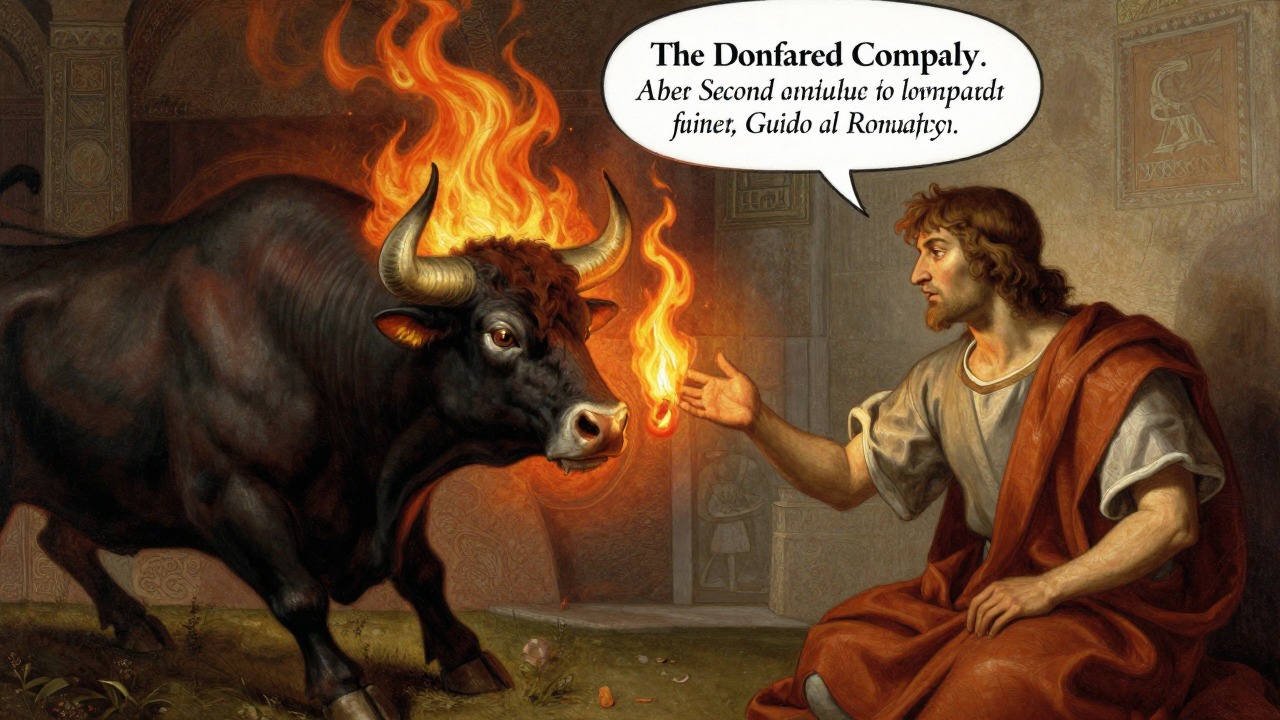
The Second Flame
The Confused Sound
Another flame approaches, emitting a confused sound like the Sicilian bull. It is Guido da Montefeltro, who speaks after the flame's vibration forms words.
The Lombard Tongue
Guido addresses Dante in Lombard dialect, asking about the state of Romagna. Dante replies with a detailed political update.
Guido's Confession

The Life of a Fox
From Warrior to Friar
Guido recounts his life: he was a man of arms, then became a Franciscan, hoping to repent. But Pope Boniface VIII, needing advice to destroy his enemies, sought him out.
The False Absolution
Boniface promised absolution in advance and asked Guido how to raze Palestrina. Guido, tempted by the promise, gave fraudulent advice: 'Long promise with short fulfilment will make you triumph.'
The Devil's Argument
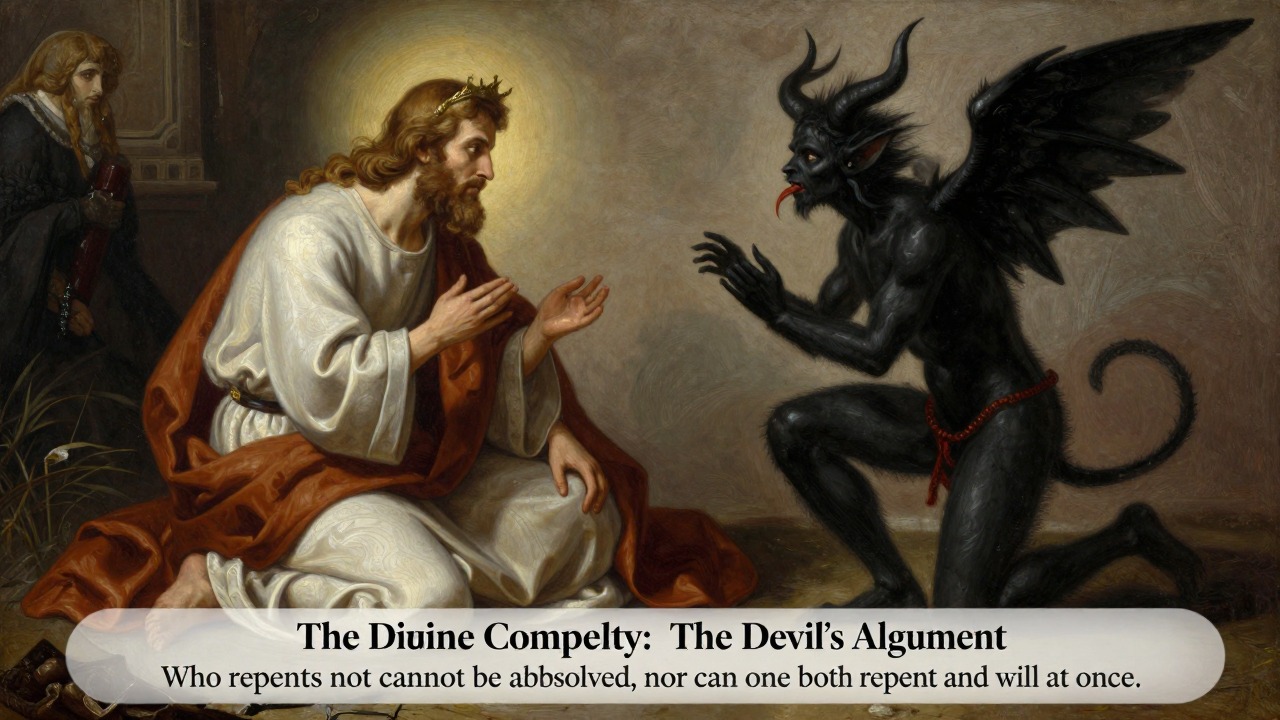
The Dispute in Heaven
St. Francis vs. the Devil
When Guido died, St. Francis came for his soul, but a black cherub argued that Guido could not be absolved because he did not truly repent. The devil said, 'Who repents not cannot be absolved, nor can one both repent and will at once.'
The Logical Trap
The devil's logic prevailed, and Guido was dragged to Minos, who assigned him to the eighth bolgia. Guido's story illustrates the danger of presumption and the limits of papal authority.
Dante's Indictment of Boniface
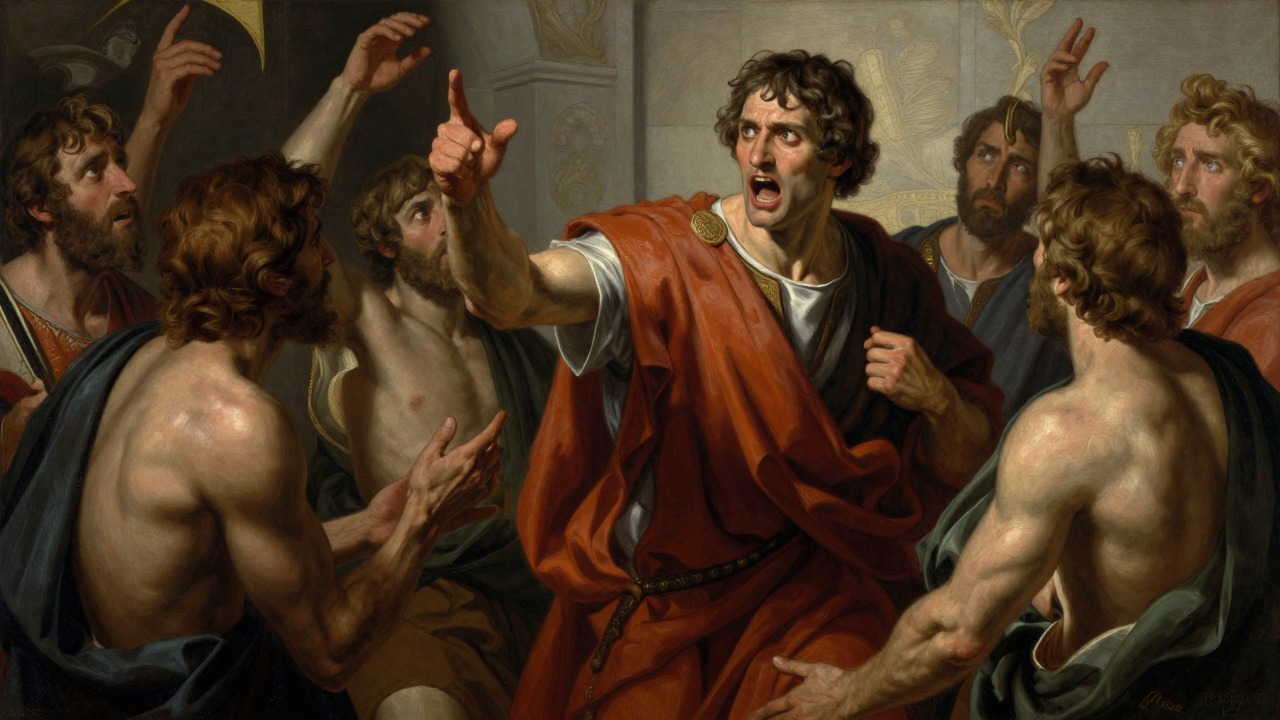
The Condemnation
Dante's Anger
Dante is outraged at Boniface's corruption. He later places Boniface in the third bolgia of simoniacs, foreseen by Pope Nicholas III. The episode condemns the abuse of spiritual power.
The Theme of False Counsel
Guido's sin is giving evil advice, but the greater sin is Boniface's manipulation. Dante shows that even a repentant sinner can be damned if his repentance is insincere.
The Flame's Departure
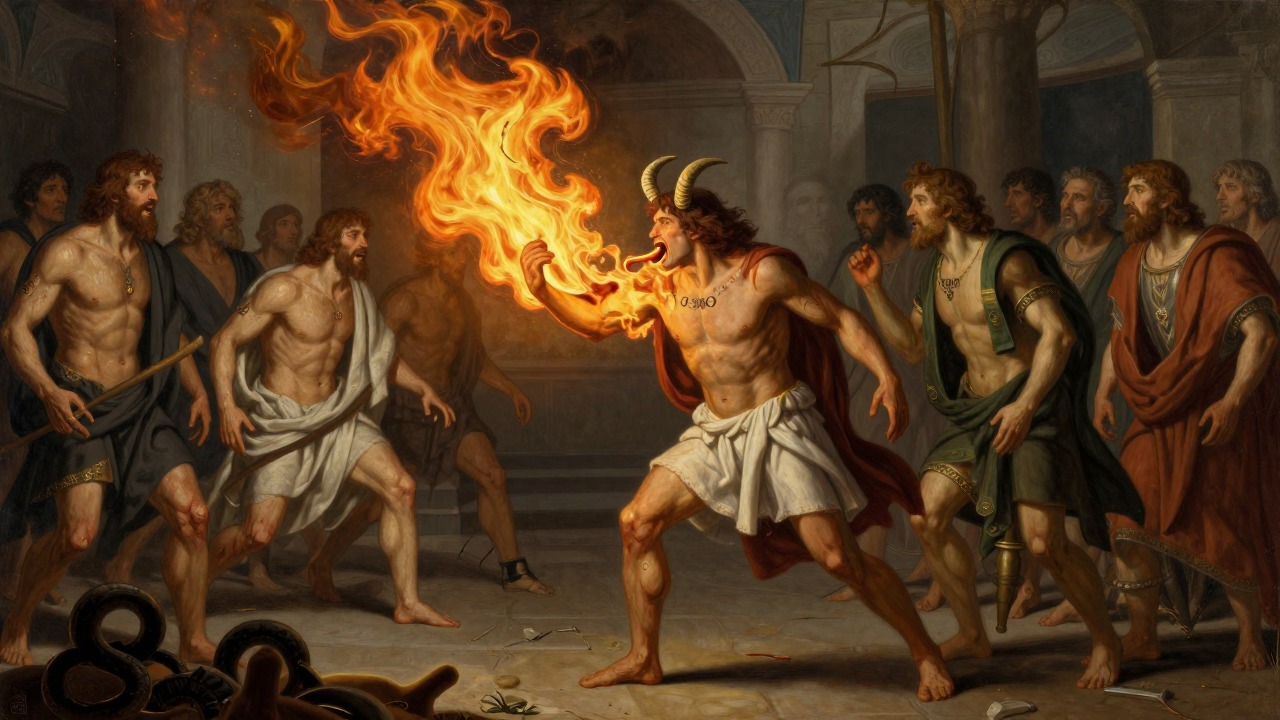
The Lament
The Writhing Flame
Guido's flame departs, writhing and flapping its horn. The image of the flame as a tongue emphasizes the sin of speech.
Transition to the Ninth Bolgia
Dante and Virgil move on to the next bolgia, where schismatics are mutilated. Guido's story lingers as a warning against trusting in false absolution.
In the eighth circle, eighth bolgia, after Ulysses
After the political exchange, in the eighth bolgia
At Guido's death, after his confession
After Guido's story, in the eighth bolgia
After Guido finishes, in the eighth bolgia
